
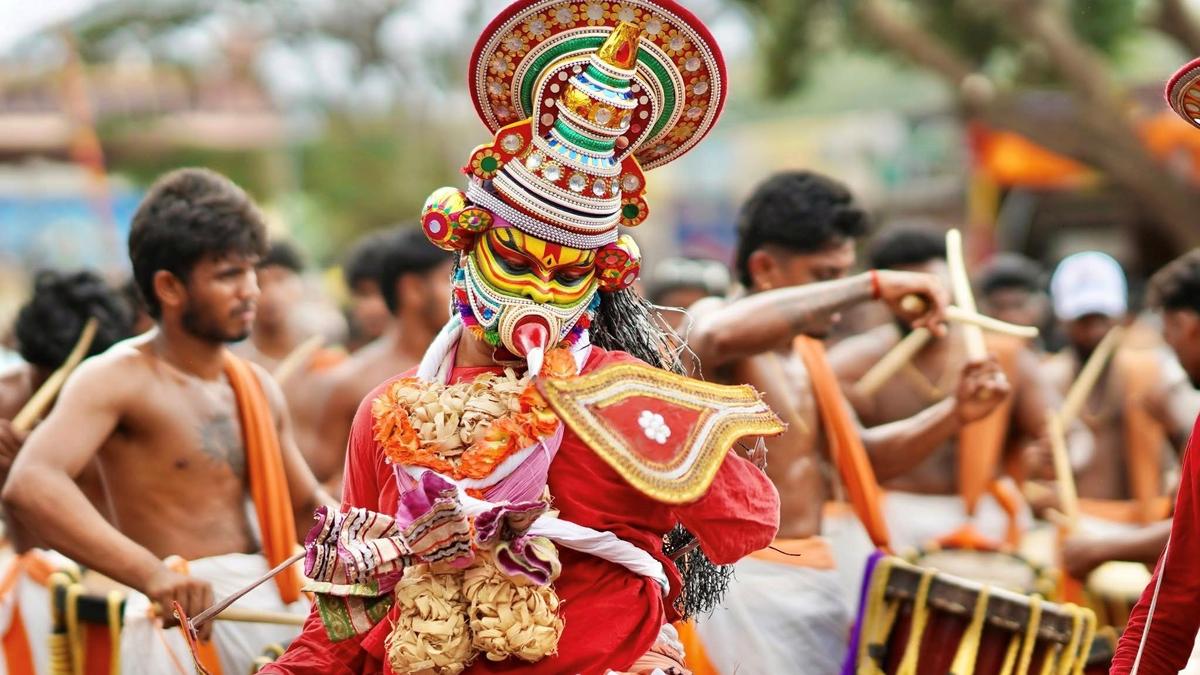

Artists performing at Kittur Utsav in Kittur in Belagavi district on Thursday.
| Photo Credit: P.K. BADIGER
Writer Vijayalakshmi Tirlapur said on Friday that it is a collective responsibility to spread awareness about the history of Kittur and the valour of Rani Chennamma. She was speaking at a session on the history of Kittur at the Kittur Utsav in Belagavi district.
“All of us should listen to Rani Chennamma’s story, learn about our history, and tell it to our younger generation. Chennamma has remained in everyone’s hearts because of her ideals. Not only that, Rani Chennamma’s personal life is also a model for us,” said Ms. Tirlapur.
Rani Chennamma’s childhood was very brave, and she learned all the skills, including warfare, from a young age. “These should be an ideal for our children. The queen was proficient in four languages and was a spiritual being, she said. She urged authorities to ensure that the story of Rani Channamma be written and translated in all Indian languages and be introduced in history texts,”
Nagaratna Parande, director of the Rani Chennamma Study Centre, spoke of the history of Kittur in detail and described the incidents, including the battles of Kittur. She cautioned against reading, believing in, and sharing wrong information about the history of Kittur or Rani Chennamma.
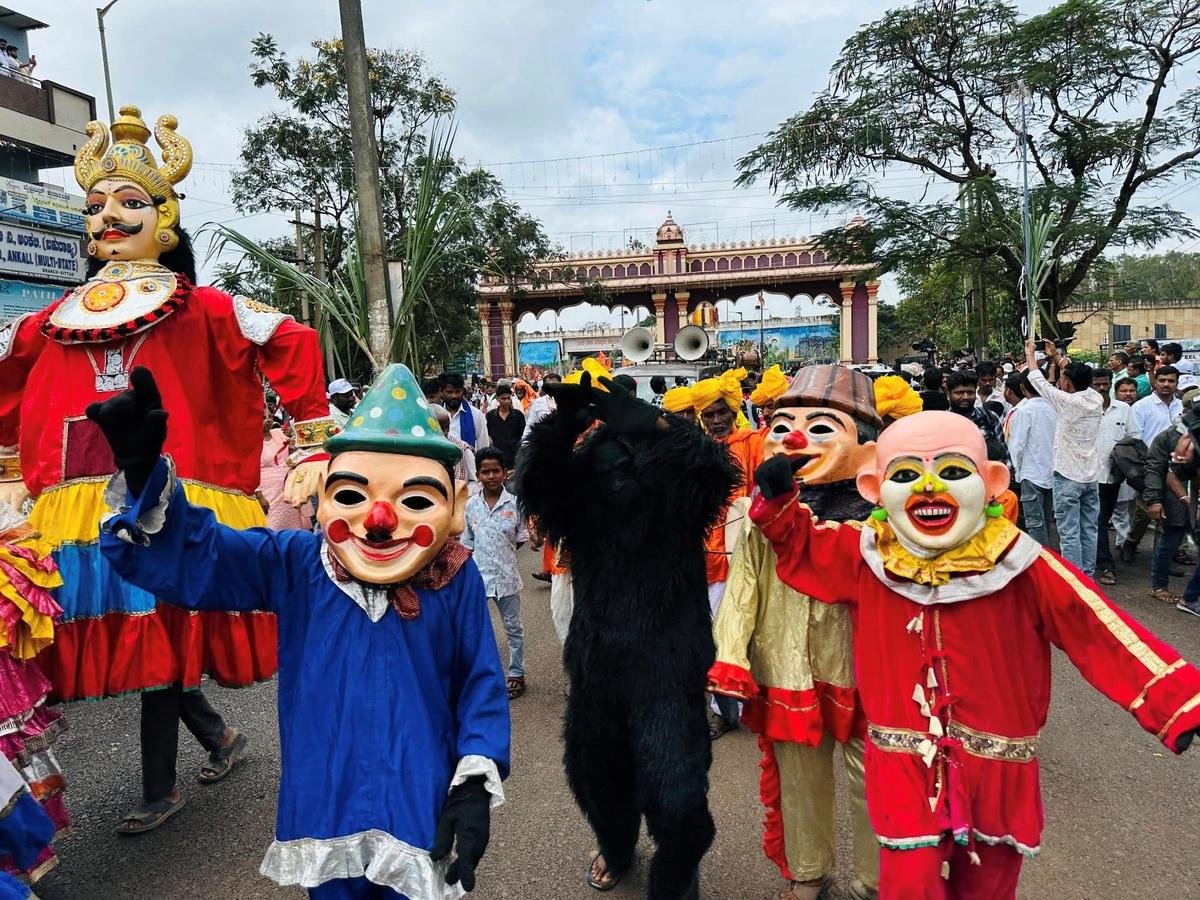
Artists performing at Kittur Utsav in Kittur in Belagavi district on Thursday.
| Photo Credit:
P.K. BADIGER
Nirmala Battal, resource person, spoke on the role of women in the administrative system of Kittur. “The history of Chennamma is forever immortal. But we should read about it in detail, she said. She also spoke of the challenges faced by Rani Chennamma in a patriarchal society. In a male-dominated system, it was difficult for women to gain power. In such a situation, Queens like Belavadi Mallamma and Rani Chennamma used the opportunity they got and provided good governance to the citizens,” she said.
Ms. Battal said that the contribution of Rani Chennamma was as important as that of Joan of Arc.
Archana Athani spoke on the lessons offered by the ideals of Rani Chennamma. We should not restrict our study of Kittur to just three days a year, but the whole year, she said. Her spiritual contribution to the Sharana revolution in and around northern Karnataka is significant, she said.
She urged women to take up self defence lessons along with modern education.
Jyoti Badami spoke on the social harmony in the kingdom of Kittur. “She is an example of women’s empowerment. She defeated the British in coordination with brave soldiers like Amatur Balappa and Sangolli Rayanna, but she led the army and planned the strategy,” she said.
Professor Saraswati Kalasada spoke of the administrative style of Rani Channamma. “She was a bold and courageous woman with a vision and thought about the future of not only her region, but the whole country,” she said.
Various discussion sessions and cultural programmes were held on the second day in the Kittur Utsav.
Published – October 24, 2025 09:02 pm IST